
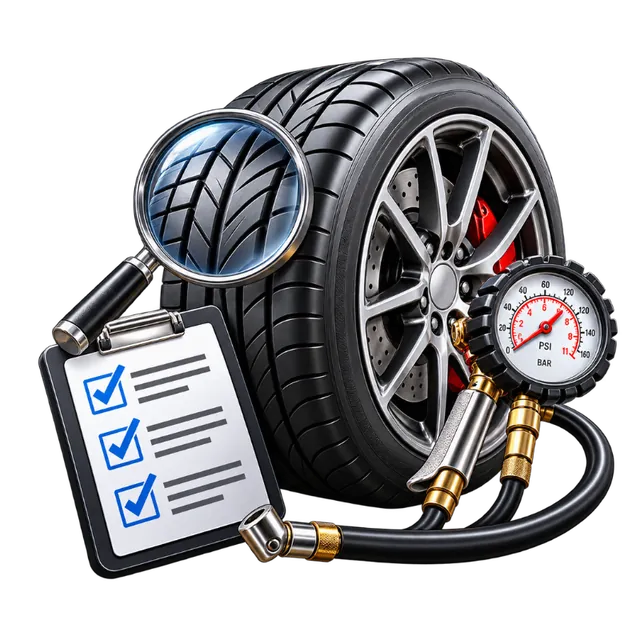
Inspection and pressures
Checking what the tyres are telling you about the rest of the car.
- Free Comprehensive InspectionChecked over
- Tyre PressureSet to spec
- Tyre Air FillingChecked and filled

Tyres inspected and replaced with the correct load and speed rating, wheels balanced on the machine and alignment set to factory geometry.
Book a Service
Uneven wear, vibration at speed, a pull to one side or a puncture: find the symptom below and the work that fixes it.
Checking what the tyres are telling you about the rest of the car.
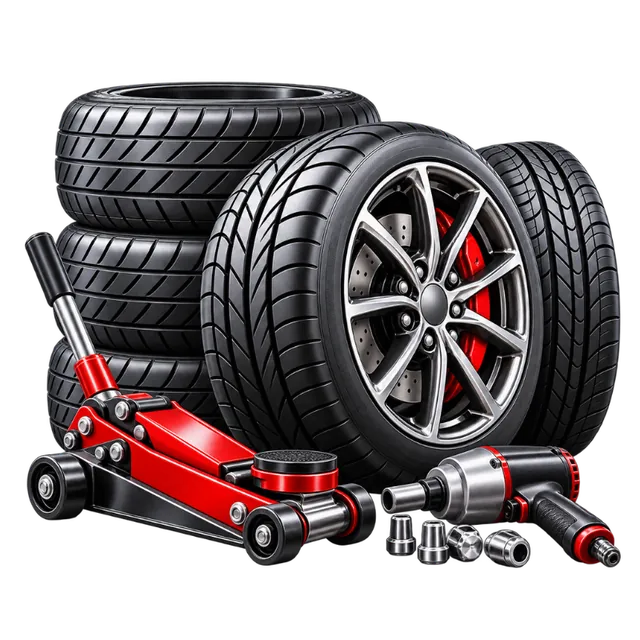
New tyres, fitted without damaging what they go onto.
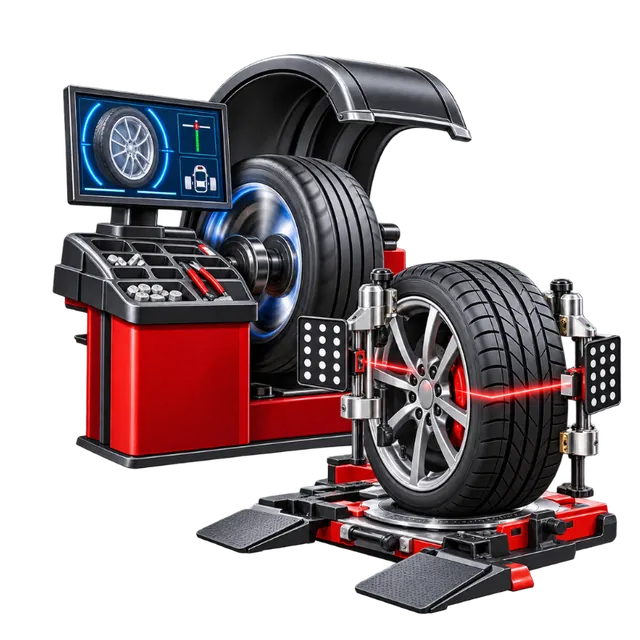
Making the wheels run true and point where they should.
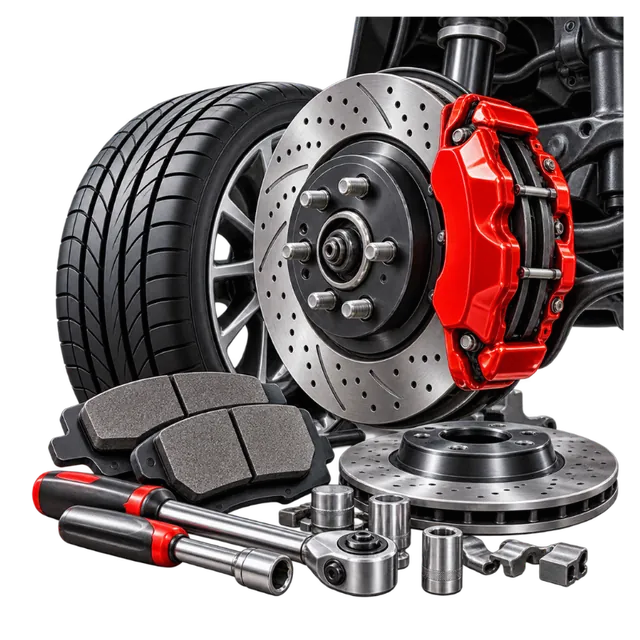
What gets done while the wheels are already off.
Not sure which of these your car needs? Call us and tell us what you have noticed; we will inspect the car and explain the options before any work begins.
All tyre and wheel servicesInspection
A full vehicle inspection alongside the tyre work.
Checked over
Inspection
Pressures set to the figures your car specifies, not a general number.
Set to spec
Inspection
Tyres filled and checked as part of the standard service.
Checked and filled
Replacement
New tyres supplied and fitted to the specification the car calls for.
Fitted to spec
Balancing
Wheels balanced so the car runs smooth at speed.
Balanced to spec
Balancing
Alignment set to the manufacturer geometry across all four wheels.
Set to spec
Balancing
Tyres rotated so wear spreads evenly across the set.
Rotated to pattern
Brakes
Brake wear sensors renewed while the wheels are already off.
Renewed and confirmed
Brakes
The brake booster checked while the braking system is accessible.
Assist checked
Tyre and wheel work in our own Dubai workshop, documented as it actually happens: across every brand we service.

An F8 on the workshop floor, the wheels off and each tyre changed with the air tool.
The right tyre depends on the car, the load and how it is driven, not the badge on the bonnet. Swipe through every type we fit.
The default fit for this climate, built for grip and stability at high ambient temperatures rather than cold-weather compliance.
A compromise compound that suits mixed use. Fitted where a car sees varied conditions rather than consistent heat.
Reinforced sidewalls let you keep going after a loss of pressure. They ride firmer, and they must be replaced like for like.
Softer compounds and stiffer construction for cars that need the grip. Wear faster by design, which is the trade for the handling.
Short sidewalls sharpen the steering but transmit more of the road, and offer the wheel far less protection against a kerb.
Higher load ratings for the weight these cars carry. Fitting below the specified load index is the most common mistake we see.
Blockier tread for loose surfaces, at some cost in road noise and refinement. Specified against how the car is actually used.
Built for quietness and ride comfort over outright grip, which suits luxury saloons doing distance on good roads.
Rubber ages faster in sustained heat. We check the manufacture date as well as the tread, because a tyre can time out before it wears out.
Tyres are the only part of the car touching the road. These checks keep them safe; your car’s tyres are inspected at every visit.
These are general guidelines. Your car’s actual interval depends on its specification, age and how it is driven: confirmed against its own schedule at inspection, never assumed.
Wrong pressures cause uneven wear, poor grip and, in the heat, a higher risk of failure.
Heat changes pressures
Evens out wear front to back so tyres last longer.
Not possible on staggered setups
Misalignment wears tyres on one edge and makes the car pull.
Kerbs and potholes move it
Old tyres harden and crack even with tread left, reducing grip.
Heat ages rubber faster
These are general guidelines. Your car’s actual interval depends on its specification, age and how it is driven: confirmed against its own schedule at inspection, never assumed.
Royal Zone Auto Services replaces tyres in Dubai for luxury and performance cars, with every wheel balanced and the alignment set to factory geometry.
Tyres carry the whole car through four patches the size of your hand, and in Dubai they do it on hot asphalt that ages rubber quickly. The right tyre, at the right pressure and correctly aligned, is the single biggest factor in grip and braking.
We fit run-flat, staggered and high-performance tyres, using protected equipment so expensive wheels are not marked during fitting.
Royal Zone is a dealer-standard alternative for luxury and exotic cars: dealer-level repair processes, the latest equipment and trained, certified technicians, with a dedicated team for every department. Every car gets computerised diagnostics and an honest video report before work begins, priority service, and free pick-up and drop-off across Dubai.
Tread depth, age, wear pattern and sidewall condition are checked. Uneven wear tells us about alignment or suspension, which is checked before new tyres are fitted so they do not wear the same way.
Replacement tyres match the size, load and speed ratings your car requires, including manufacturer-approved markings where specified.
Tyres are fitted and each wheel is balanced on the machine. Tyre-pressure sensors are checked and relearned where the car needs it, and the wheel alignment is set to factory geometry and verified.
Heat raises tyre pressures and speeds up ageing. Checking pressures monthly and replacing tyres before they harden keeps grip where it should be.
Tyres wear according to everything around them, so we also check suspension joints and dampers, steering components and brake discs and pads, and can fit rim protectors to guard new wheels against kerb damage.
To book tyre replacement or a wheel alignment, contact Royal Zone Auto Services in Al Quoz, Dubai.
When the tread is worn to around 3 mm, when the sidewall is damaged or cracked, or when the tyre is around six years old. In Dubai’s heat, rubber ages faster even if the tread looks fine.
Yes. Run-flat, staggered and high-performance tyres are fitted with the correct load and speed ratings and the manufacturer-approved markings where the car requires them.
Usually an unbalanced wheel, a damaged tyre or a bent rim. The wheels are checked and balanced on the machine, and alignment is checked if the vibration continues.
Once a year is sensible, and after any hard impact with a kerb or pothole, or when new tyres are fitted. Alignment protects the new tyres from uneven wear.
Often, if the puncture is in the tread area and within repair limits. Sidewall damage or punctures near the shoulder cannot be repaired safely, so the tyre is replaced.


